
Cyclone Power Technologies Buses

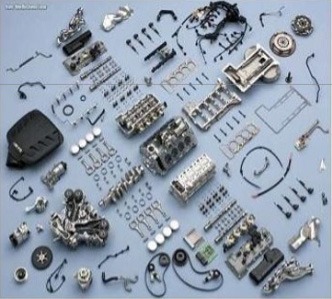
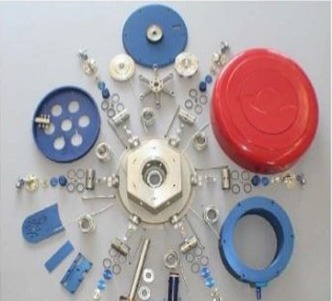
Dual Mark 5 Engines
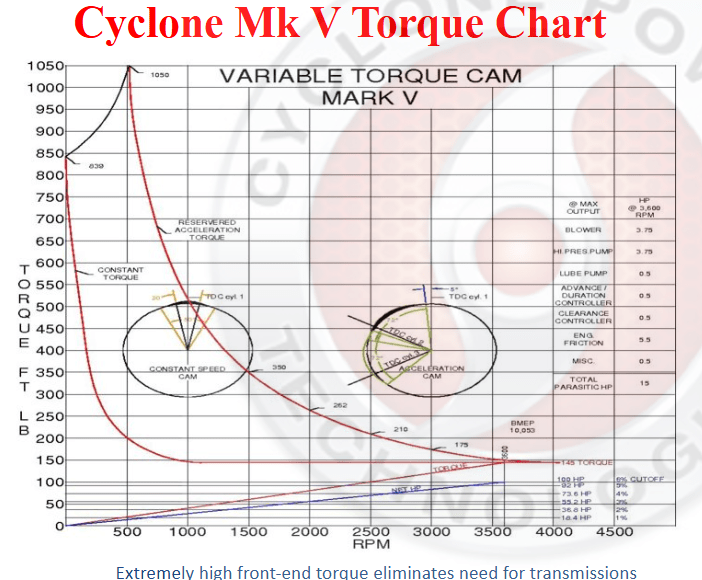
- High Torque
- No Transmission
- Clean Combustion
- No Oil Changes
- Low Maintenance
- Multi-Fuel Capable
- Gasoline
- Diesel
- Algae
- Or Any Mixture of Fuels
MK 6
330 HP
Main Engines
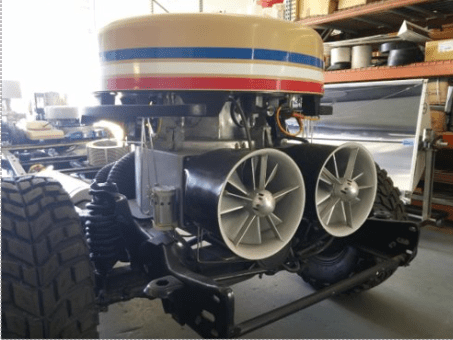
Mark 6 Engine Specifications
330 HP
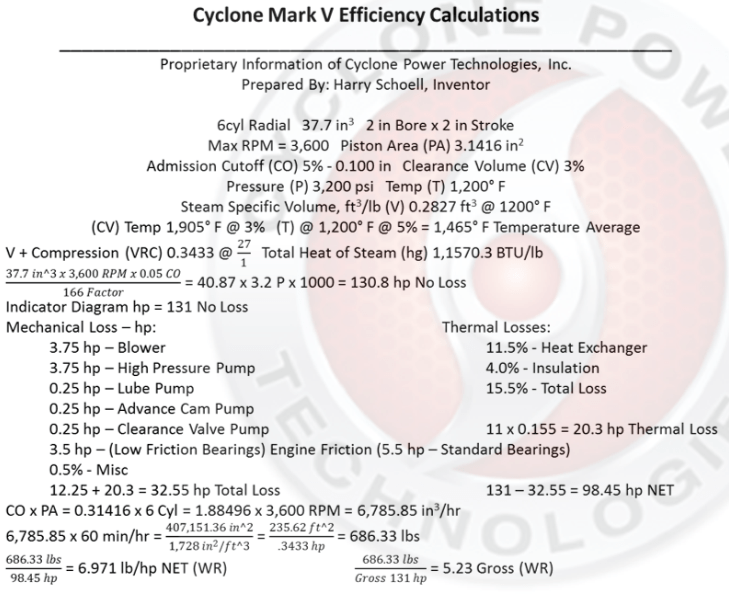
Six-Cylinder Reciprocating Radial Configuration
Dimensions: 42″x42″x33″H (w/ Combustor and Condenser)
Dry Engine Weight: 220 Lbs.
RPM: 3,600 Max
Starting Torque: 2,650 Lbs./Ft.
3″ Bore x 3″ Stroke
127.2 Cubic Inches
Heat Exchanger: Stainless Steel Tubing
Condenser: Aluminum/Stainless Steel – Marine
Deionized Water Lubrication
Closed-Loop Water System
Operating
Temperature: 1,200°F
Pressure: 3,200 PSI
Condenser Temperature: 180°F
Required BTU @ 330 HP (Full Output): 2,500,000 BTU/Hour
Thermal Efficiency: 33% (Including Fuel Contribution)
Application
Land and Marine Transportation Propulsion Systems
Military Power Generator
Industrial Submersibles
Fuels and Heat Sources
Gaseous Fuels: Refined, Unrefined, and Raw Fuels, Biomass Fuels, and Municipal Waste Streams
Liquid Fuels: Refined, Unrefined, and Raw Fuels, and Biofuels
Solid Fuels: Direct Combustion Injection (Powered)
Waste Heat: Industrial Furnaces
Solar Thermal: Concentrated Solar Systems
MK 5
100 HP
Automobile Engines

Cyclone Power Technologies' Locomotive Engines
EPA Finalizes More Stringent Emissions Standards for Locomotives and Marine Diesel Engines
The U.S. Environmental Protection Agency (EPA) is adopting standards that will dramatically reduce emissions of diesel particulate matter (PM) and nitrogen oxide (NOx) from locomotives and marine diesel engines. This three-part program aims to:
Tighten emissions standards for existing locomotives and large marine diesel engines when they are remanufactured;
Set near-term engine-out emissions standards — referred to as Tier 3 standards — for newly built locomotives and marine diesel engines; and
Set longer-term standards — referred to as Tier 4 standards — for newly built locomotives and marine diesel engines that reflect the application of high-efficiency aftertreatment technology.
EPA is also finalizing new idle reduction requirements for newly built and remanufactured locomotives and adopting provisions to encourage a new generation of clean switch locomotives based on clean, nonroad diesel engine standards. This rule completes an important step in EPA’s ongoing National Clean Diesel Campaign (NCDC).
EPA estimates 90% PM reductions and 80% NOx reductions from Tier 4 engines meeting these standards, compared to engines meeting the current Tier 2 standards. By 2030, this program will reduce annual emissions of NOx by about 800,000 tons and PM emissions by 27,000 tons and those emission reductions continue to grow beyond 2030 as fleet turnover is completed.
Changes from the Proposed Rule
The final requirements will bring earlier and significantly greater emission reductions of NOx and PM from the locomotive and marine sector than the proposed program envisioned. This is accomplished by finalizing the first-ever national standards for remanufactured large commercial marine diesel engines (above 600 kW) and starting Tier 4 NOx requirements for line-haul locomotives and for the largest (2,000-3,700 kW) marine engines two years earlier than initially proposed. These changes reflect important cooperative efforts by the regulated industry to implement cleaner technology as early as possible and will provide communities across the United States with crucial emissions reductions both in the near term and long term.
MK 10
1,600 HP
Locomotive Engines

Cyclone Power Technologies
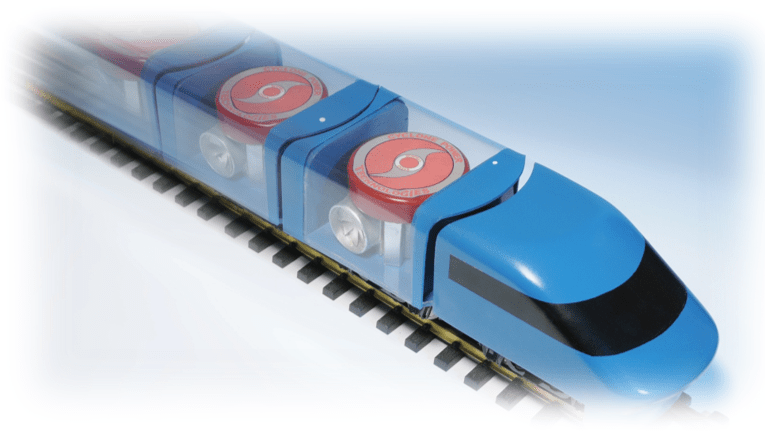
All-Fuel Train
Mark 10 Engine Specifications
1600 HP
Six-Cylinder Reciprocating Radial Configuration
Dimensions: 84″x84″x74″H (w/ Combustor and Condenser)
Complete Engine Weight: 5,000 lbs.
RPM: 900 Max
Starting Torque: 15,000 lbs./ft.
8″ Bore x 8″ Stroke
2,412.75 Cubic Inches
Heat Exchanger: Stainless Steel Tubing
Condenser: Aluminum/Stainless Steel – Marine
Deionized Water Lubrication
Closed-Loop Water System
Operating
1600 HP @ 900 RPM
Temperature: 1,200°F
Pressure: 3,200 PSI
Condenser Temperature: 180°F
Required BTU @ 3,600 HP (Full Output): 12,000,000 BTU/Hour
Thermal Efficiency: 34% (Including Fuel Combustion)
Application
Land and Marine Transportation Propulsion Systems
Military Power Generation
Industrial Submersibles
Fuels and Heat Sources
Gaseous Fuels: Refined, Unrefined, and Raw Fuels, Biomass Fuels, and Municipal Waste Streams
Liquid Fuels: Refined, Unrefined, and Raw Fuels, and Biofuels
Solid Fuels: Direct Combustion Injection (Powdered)
Waste Heat: Industrial Furnaces
Solar Thermal: Concentrated Solar Systems

Cyclone Power Technologies
Is there any power producer cleaner than a Cyclone engine?*
- The closed-loop deionized water lubrication system is completely “Green”.
- The Cyclone engine uses no oil.
- Centrifugal combustion spins off potential particle emissions.
- CARB lists these substances as significant components of diesel fuel combustion emissions. Emission in grams per 1,000 gallons.
- Certified by EPA for power generation at 25 HP or under.
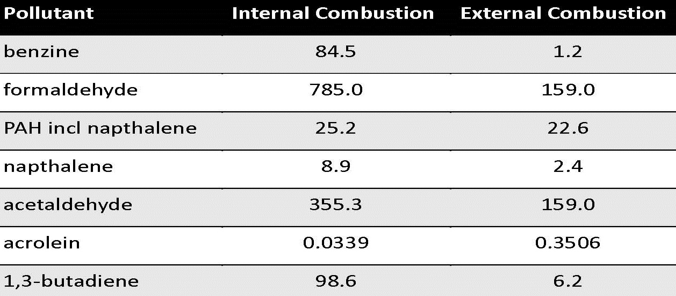
References: *CARB and U.S. EPA Compilation of Air Pollutant Emission Factors Volume 1, Fifth Edition, AP-42, January 1995, and Supplement F, 2000
References: *CARB and U.S. EPA Compilation of Air Pollutant Emission Factors Volume 1, Fifth Edition, AP-42, January 1995, and Supplement F, 2000